The Real Cost of Building a Luxury Home in Toronto
Building a luxury home in Toronto is about far more than choosing beautiful finishes and creating impressive spaces. The real cost of a custom home is influenced by the land, the complexity of the design, construction requirements, professional consultants, municipal approvals, site conditions and hundreds of decisions made throughout the process.
For homeowners considering a custom or luxury home, understanding where the money goes is one of the most important parts of planning. A realistic budget doesn't simply establish what a project will cost, it helps determine what is possible before design and construction decisions become expensive to change.
What Drives Construction Costs in Toronto?
Construction costs in Toronto are influenced by several factors, and no two custom homes will have the same budget.
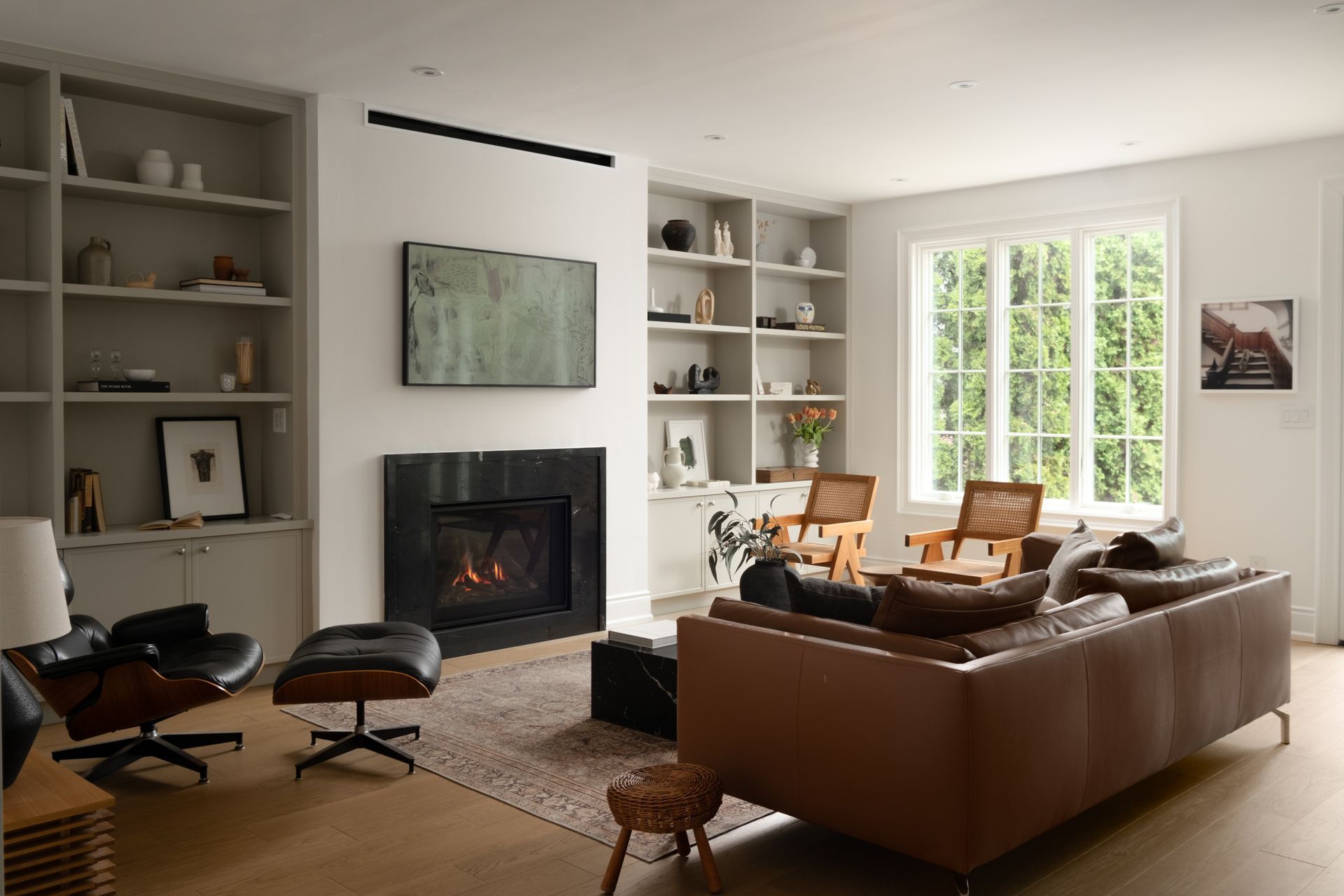
The size of the home is an obvious consideration, but square footage is only part of the equation. Complexity, structural requirements, site conditions, architectural details, mechanical systems, windows and doors, millwork and interior finishes can all significantly affect the final cost.
A relatively simple home with a straightforward floor plan and readily available materials may have a very different construction cost from a highly detailed architectural home with complex structural spans, extensive glazing, custom millwork and specialized mechanical systems.
Location matters as well. Urban construction can involve challenges that aren't immediately visible in a set of plans, including restricted access, neighbouring properties, demolition, excavation, servicing requirements and logistical constraints.
Land Value vs. Construction Costs
One of the first distinctions homeowners should make is between the cost of the property and the cost of building the home.
In Toronto, the land itself can represent a significant portion of the overall investment. A desirable lot, established neighbourhood, larger frontage or development potential can all influence land value.
But purchasing the property is only the beginning.
The cost to develop the site and construct the home needs to be considered separately. Depending on the property, that can include demolition, excavation, underpinning, servicing, landscaping, site work and other requirements before the finished home is complete.
Understanding the relationship between land value, development costs and construction costs provides a much clearer picture of the total investment.
Architectural and Design Decisions Matter
Good design isn't simply about aesthetics. It has a direct relationship with construction cost.
Architectural choices such as large spans, complex rooflines, extensive glazing, multiple levels, cantilevers, high ceilings and unique structural elements can all introduce additional engineering and construction requirements.
The same is true of interior planning. Custom millwork, detailed wall treatments, specialty lighting, oversized doors and highly customized spaces require more design coordination and skilled trades.
This doesn't mean these features aren't worthwhile. It means they should be intentional.
The earlier the design team understands the homeowner's priorities and budget, the easier it is to allocate investment toward the elements that will have the greatest impact.
Where Premium Finishes Increase the Budget
Finishes are another area where construction budgets can change quickly.
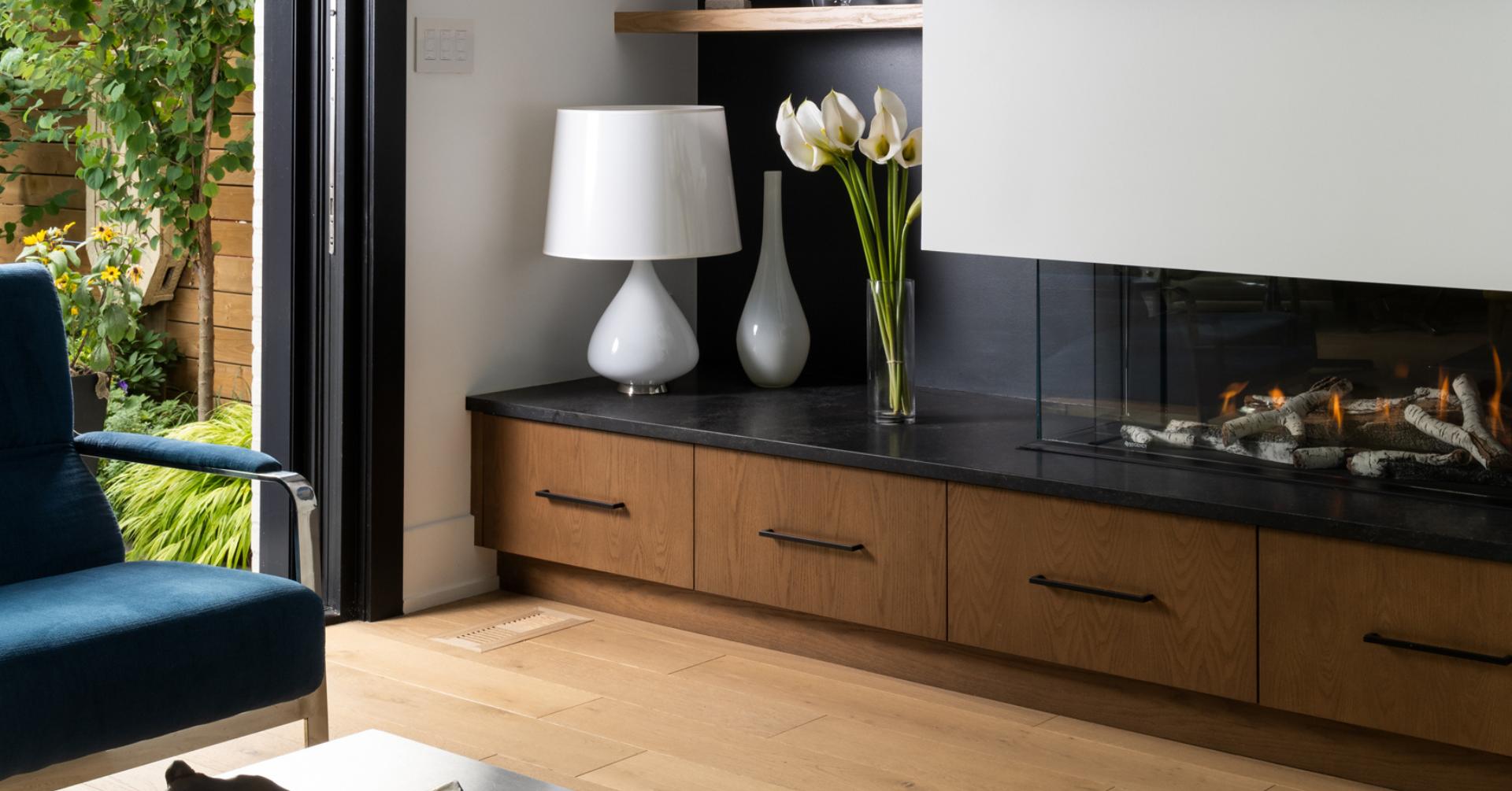
A kitchen with custom cabinetry, natural stone, integrated appliances and specialty hardware will have a very different budget from one using more standardized products. The same applies to bathrooms, flooring, lighting, plumbing fixtures, windows, doors and millwork.
Premium finishes also have a compounding effect. Choosing a high-end finish in one area may lead to additional costs elsewhere to ensure the surrounding materials, detailing and installation meet the same standard.
The goal isn't necessarily to select the most expensive option.
It's to understand where spending creates meaningful value and where it may simply increase the price.
Consultants, Permits and Development Costs
Construction budgets need to account for much more than the contractor's work.
A custom home may require architects, engineers, interior designers, surveyors, geotechnical consultants, energy consultants and other specialists depending on the project's scope and location.
There are also municipal and development-related costs to consider, including permits, applications, fees and other approvals that may apply to the property.
These costs can be easy to overlook when homeowners initially think about the price of building a house, but they are an essential part of the overall development budget.
Hidden Costs Homeowners Often Overlook
Some of the most significant budget surprises aren't associated with the house itself.
Site conditions can have a major impact. Unexpected excavation requirements, poor soil conditions, groundwater, rock, servicing challenges or structural requirements can all affect costs.
There are also the less obvious expenses associated with temporary services, site logistics, insurance, financing, landscaping, exterior work, window coverings, appliances and final furnishings.
Changes during construction can create another significant cost.
A change that seems small on its own can involve design revisions, new materials, additional labour, scheduling changes and coordination between multiple trades.
That is why decisions made early in the process are so important.
How to Create a Realistic Construction Budget
A realistic budget starts before construction begins.
Rather than starting with a desired square footage and a generic cost-per-square-foot figure, homeowners should look at the project as a complete development.
A comprehensive budget should consider:
- Land acquisition
- Demolition and site preparation
- Architectural and design fees
- Engineering and specialist consultants
- Municipal approvals and permits
- Construction
- Mechanical and electrical systems
- Windows and exterior doors
- Kitchens and bathrooms
- Custom millwork
- Appliances and lighting
- Landscaping and exterior work
- Financing and carrying costs
- Contingency
It is also important to establish priorities early. If the budget has limits and every project does, the design team should understand what matters most to the homeowner.
Is it the kitchen? Natural stone? Large windows? A primary suite? Indoor-outdoor living? Architectural character? Smart-home technology?
Knowing the priorities makes it easier to make informed decisions when trade-offs arise.
Value vs. Unnecessary Expense
Luxury doesn't have to mean spending more on everything.
Some investments can dramatically improve how a home looks, functions and feels. Others may add considerable cost without providing an equivalent benefit.
The difference comes down to understanding value.
Value might mean investing in better windows because of their performance and longevity. It might mean custom millwork because the space requires a specific solution. It might mean allocating more of the budget toward architectural design because the quality of the space is a priority.
At the same time, there may be opportunities to simplify details that aren't important to the homeowner without compromising the overall design.
A well-managed luxury home project isn't about eliminating costs. It's about making sure the money being spent supports the goals of the project.
The Most Important Budget Decision Happens Early
The most effective way to manage the cost of a luxury home is to establish realistic expectations before construction begins.
A strong design process, clear priorities, thorough planning and early cost consideration can help homeowners understand the financial implications of their decisions while there is still flexibility to make changes.
Building a custom home is a significant investment. Transparency around that investment creates better decisions, fewer surprises and a stronger foundation for the entire project.
The goal isn't simply to build an expensive house.
It's to build a home where the investment is reflected in the quality, function and experience of the finished space.